Chongqing Zhonggu Blower Co., Ltd. welcomes you!



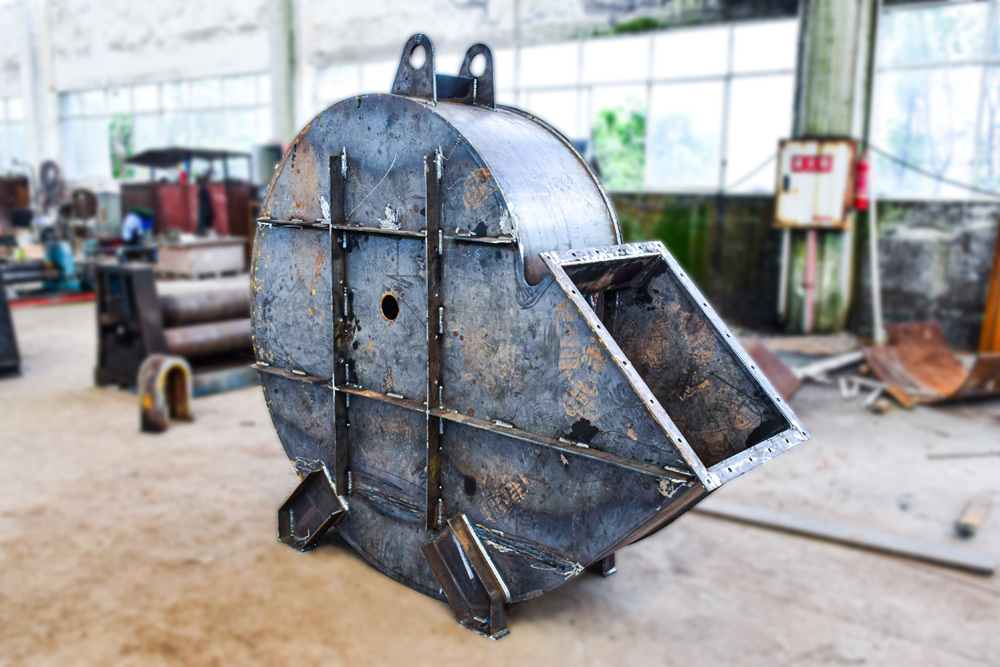
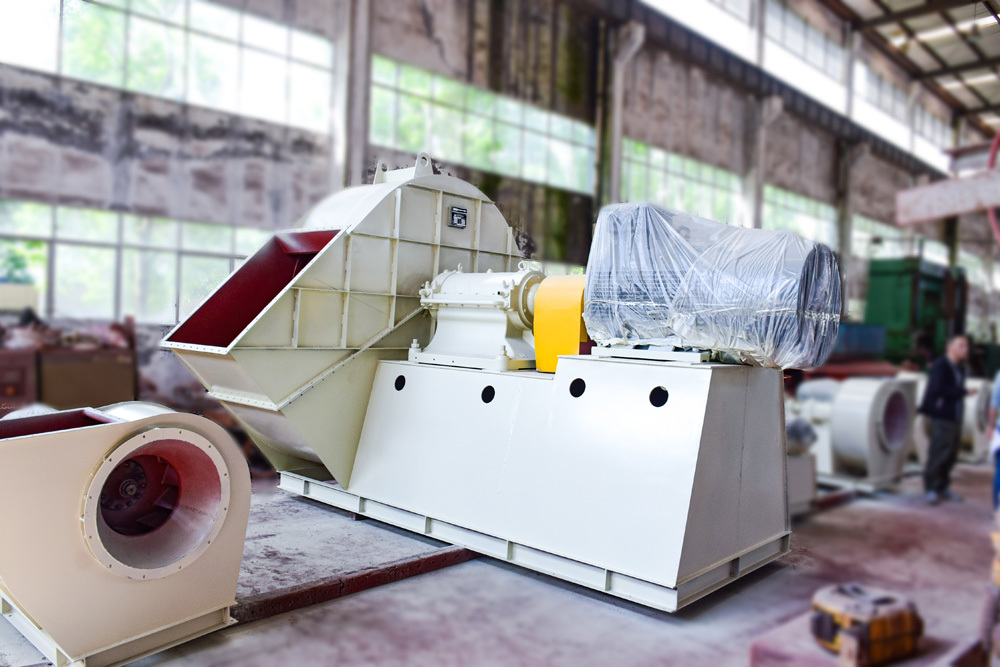
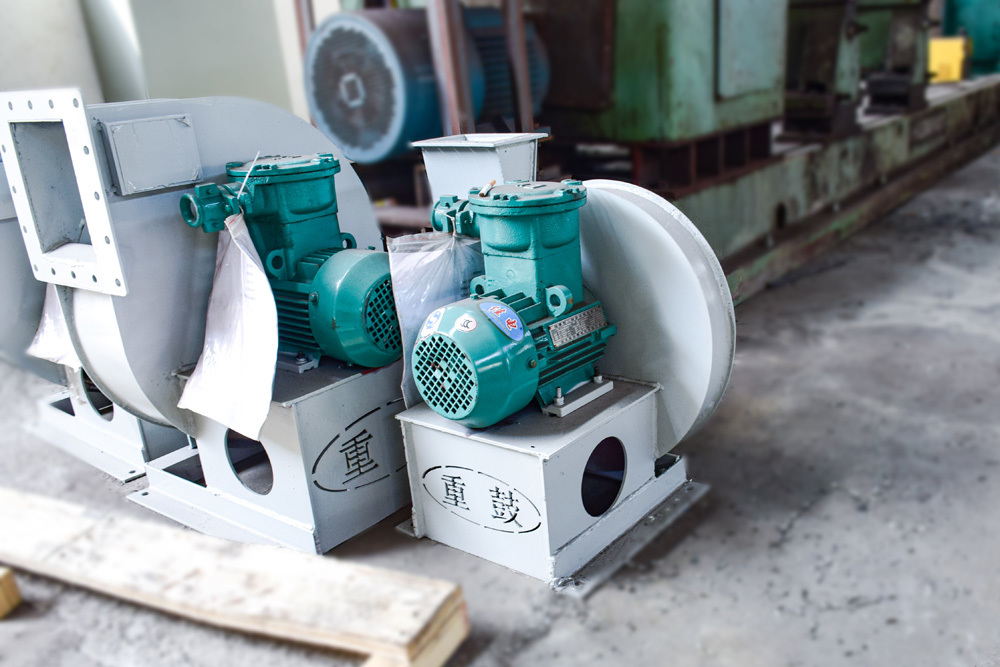
Chemical Industry Fan: Fluidized Bed Blower
Keywords:
Category:
Industrial centrifugal fan
- Product Description
-
- Commodity name: Chemical Industry Fan: Fluidized Bed Blower
- Commodity ID: 1011550925010853888
The motor power required for a chemical‑process fan refers to the power needed under specific operating conditions; when the inlet damper is fully open, the power demand is at its maximum. Operating with the inlet damper fully open may damage the motor. During commissioning, it is advisable to close the valves on the fan’s inlet or outlet piping, then gradually open them once the fan is running until the desired operating conditions are achieved, while monitoring that the fan’s operating current does not exceed its rated value.
Today, with economic development, chemical‑process fans are widely used for ventilation, dust removal, and odor extraction in chemical facilities. Their widespread adoption has brought convenience to both production and daily life. Below, we will walk you through the fan’s commissioning process.
Method/Steps
1) The motor power required for a chemical‑process fan refers to the power needed under specific operating conditions; when the inlet damper is fully open, the power demand is highest. Operating with the inlet damper fully open may cause damage to the motor. During commissioning, it is advisable to close the valves on the fan’s inlet or outlet piping, then gradually open them once the fan is running until the desired operating conditions are achieved. Also, ensure that the fan’s operating current does not exceed its rated current.
2) Once the normal rotational speed is reached, verify that the input current of the chemical‑process fan is within the normal range. The fan’s operating current must not exceed its rated current; if it does, check whether the supply voltage is normal.
3) During commissioning, start the fan at low speed first and verify that the rotation direction is correct. When starting at high speed, ensure the fan has come to a complete stop before initiating startup to prevent reverse rotation at high speed, which could cause circuit breaker tripping and motor damage.
4) During commissioning, at least two personnel must be present: one to control the power supply and the other to monitor the operation of the chemical‑process fan. If any abnormal conditions are detected, immediately stop the machine and perform an inspection. First, verify that the rotation direction is correct. Once the fan has started, promptly check whether the operating current is balanced and whether it exceeds the rated current. If any irregularities are observed, shut down the equipment for further examination. After five minutes of operation, stop the fan and inspect it for any abnormalities; only restart it once you have confirmed that no issues remain.
5) The product manual must be read carefully, and the wiring method should be verified against the wiring diagram. Additionally, ensure that the supply voltage for the chemical‑process fan meets the specified requirements, that the power supply is neither missing a phase nor out of phase, and that the rated capacity of the associated electrical components complies with the necessary specifications.
6) Full‑voltage starting or reduced‑voltage starting is permitted; however, it should be noted that during full‑voltage starting, the inrush current is approximately 5 to 7 times the rated current, while the starting torque is proportional to the square of the current. When the grid capacity is insufficient, reduced‑voltage starting should be employed.
Key words:- 化工风机
Leave a message for inquiry
Thank you for visiting. If you have any other questions, please leave us a message, and we’ll get back to you as soon as possible!
Chongqing Zhonggu Blower Co., Ltd.
National Service Hotline:
023-67657723/023-67657724
023-45267099/023-45262099
Business Phone:
023-67657723/023-67666438/023-67662725
Technical Department:023-67662824
Finance Department:023-67666428
Fax:023-67662824/023-45268099
Email:cqgfjc@cqgfjc.com
Address: Floors 1–4, Building 1, No. 1 Yudai Mountain, Liangjiang New Area, Chongqing City
Production Address: No. 66, Industrial Avenue, Tongliang District, Chongqing City
Scan to browse the mobile website
Online Customer Service