Chongqing Zhonggu Blower Co., Ltd. welcomes you!



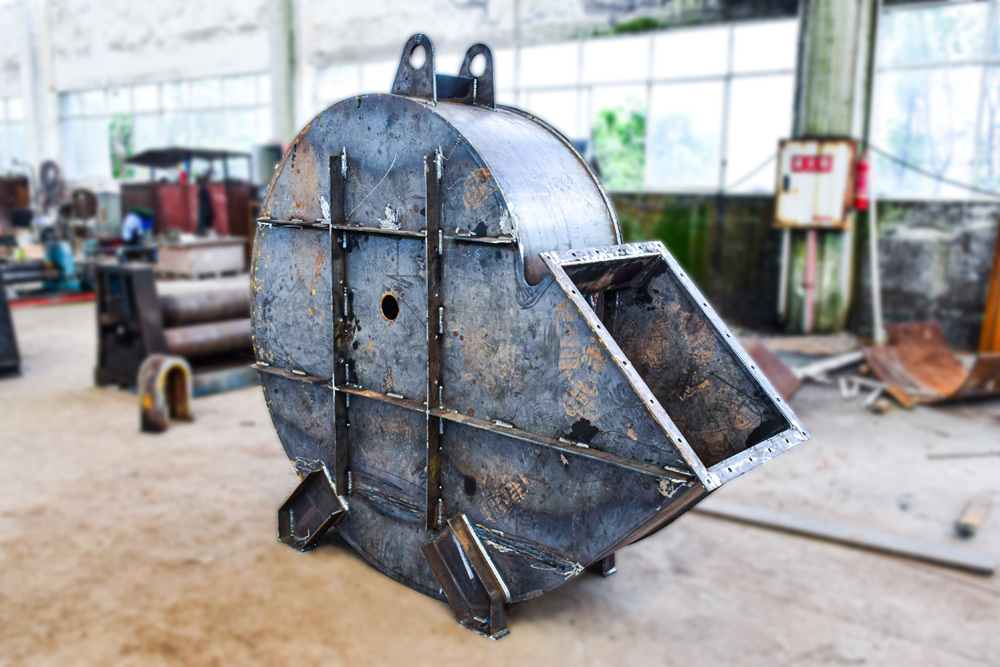
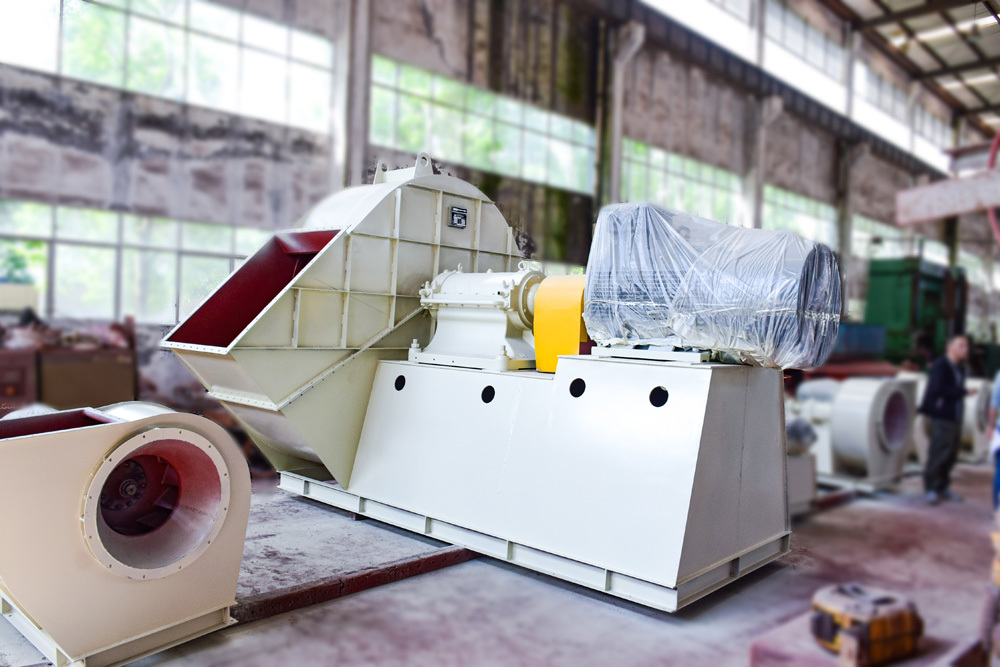
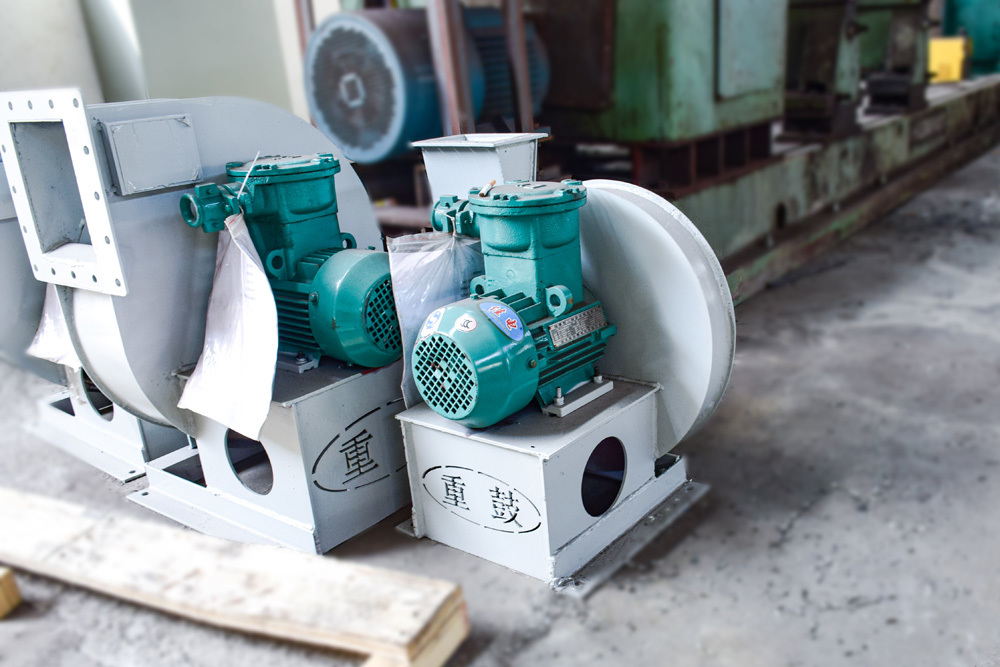
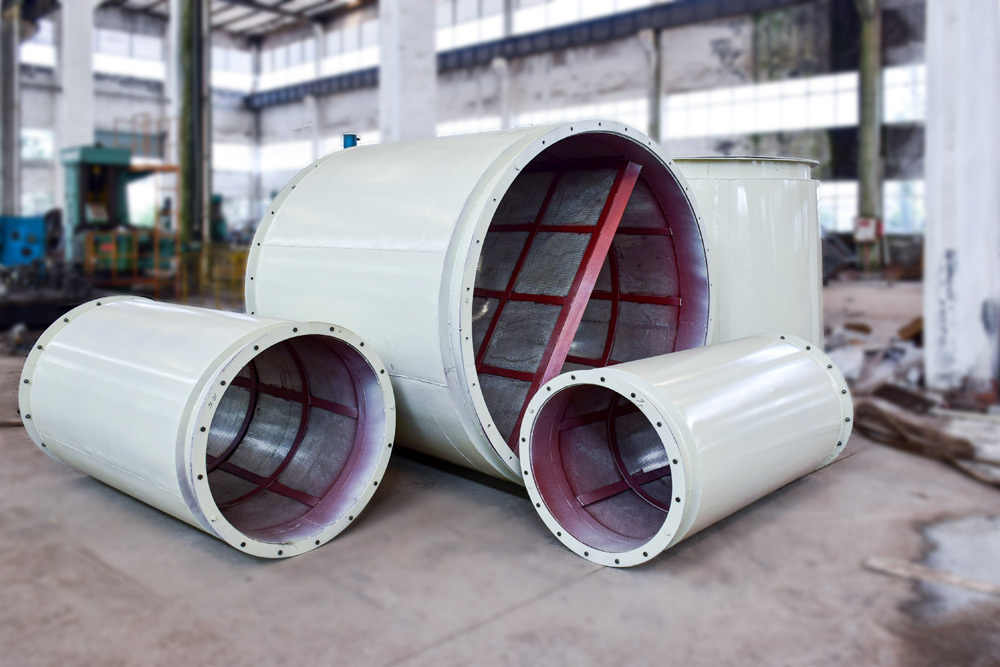
Chongqing Fan: Duct-mounted GDF centrifugal fan
Keywords:
Category:
Civilian General-Purpose Fan
- Product Description
-
- Commodity name: Chongqing Fan: Duct-mounted GDF centrifugal fan
- Commodity ID: 1011550997492621312
The normal bearing temperature for a Chongqing fan is ≤70°C. If the temperature rises to 70°C, an electric control system should trigger an alarm. At this point, the cause must be investigated: first, verify that the cooling water flow is normal and that the bearing oil level is adequate. If the root cause cannot be identified promptly and the bearing temperature rapidly climbs to 90°C, the electric control system should issue another alarm and initiate a shutdown signal.
The normal bearing temperature for a Chongqing fan is ≤70°C. If the temperature rises to 70°C, an electric control system should trigger an alarm. At this point, the cause must be investigated: first, verify that the cooling water flow is normal and that the bearing oil level is within the proper range. If the root cause cannot be identified promptly and the bearing temperature rapidly climbs to 90°C, the electric control system should issue another alarm and initiate a shutdown signal.
During startup, shutdown, or operation of the Chongqing fan, any abnormal conditions must be promptly investigated. Minor faults identified during inspection should be promptly diagnosed and rectified. In the event of a major fault—such as severe vibration, impact, or a sharp rise in bearing temperature—the fan must be stopped immediately for thorough examination.
One month after the fan’s initial commissioning, the lubricant (oil or grease) should be replaced. Thereafter, except when replaced following each disassembly and overhaul, under normal operating conditions the lubricant should be changed every 1 to 2 months; replacement may also be scheduled based on actual operating conditions.
Chongqing fans encompass ventilation fans, centrifugal blowers, Roots blowers, and turbocompressors, with a detailed classification that includes seven major categories: centrifugal compressors, axial‑flow compressors, centrifugal blowers, Roots blowers, centrifugal ventilators, axial‑flow ventilators, and Lü’s blowers.
Fans are primarily used for ventilation and air exchange across various sectors of the national economy—such as metallurgy, petrochemicals, power generation, urban rail transit, textiles, and shipbuilding—as well as in a wide range of other applications. Beyond their traditional uses, they also hold significant growth potential in more than 20 emerging market segments, including the comprehensive utilization of coal gangue, technological upgrades to new dry‑process clinker production, and energy conservation and resource integration in the metallurgical industry.
As competition in the wind turbine manufacturing industry continues to intensify, mergers and acquisitions, as well as capital‑driven restructuring among major players, are becoming increasingly common. In response, leading domestic wind turbine manufacturers are placing greater emphasis on market research—particularly on in-depth analyses of the industry’s development landscape and end‑user purchasing behavior. As a result, a growing number of prominent Chinese wind turbine brands have risen rapidly, steadily establishing themselves as industry leaders.
Key words:- 重庆风机
Leave a message for inquiry
Thank you for visiting. If you have any other questions, please leave us a message, and we’ll get back to you as soon as possible!
Chongqing Zhonggu Blower Co., Ltd.
National Service Hotline:
023-67657723/023-67657724
023-45267099/023-45262099
Business Phone:
023-67657723/023-67666438/023-67662725
Technical Department:023-67662824
Finance Department:023-67666428
Fax:023-67662824/023-45268099
Email:cqgfjc@cqgfjc.com
Address: Floors 1–4, Building 1, No. 1 Yudai Mountain, Liangjiang New Area, Chongqing City
Production Address: No. 66, Industrial Avenue, Tongliang District, Chongqing City
Scan to browse the mobile website
Online Customer Service