Chongqing Zhonggu Blower Co., Ltd. welcomes you!



Anti-corrosion Fan: GDF Duct Fan for Exhaust Applications
Keywords:
Category:
Civilian General-Purpose Fan
- Product Description
-
- Commodity name: Anti-corrosion Fan: GDF Duct Fan for Exhaust Applications
- Commodity ID: 1011550943339962368
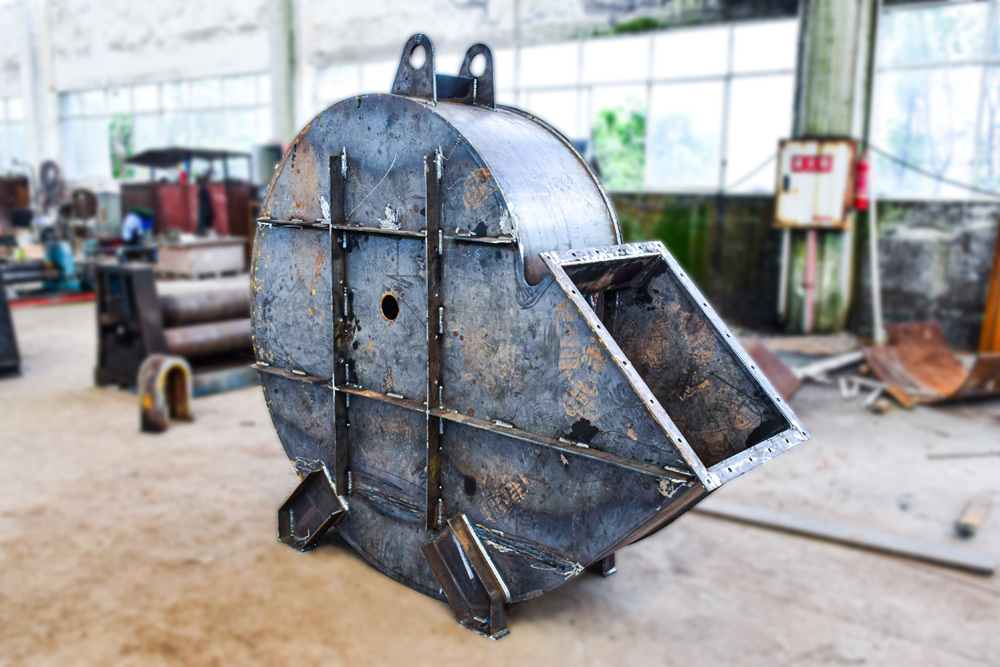
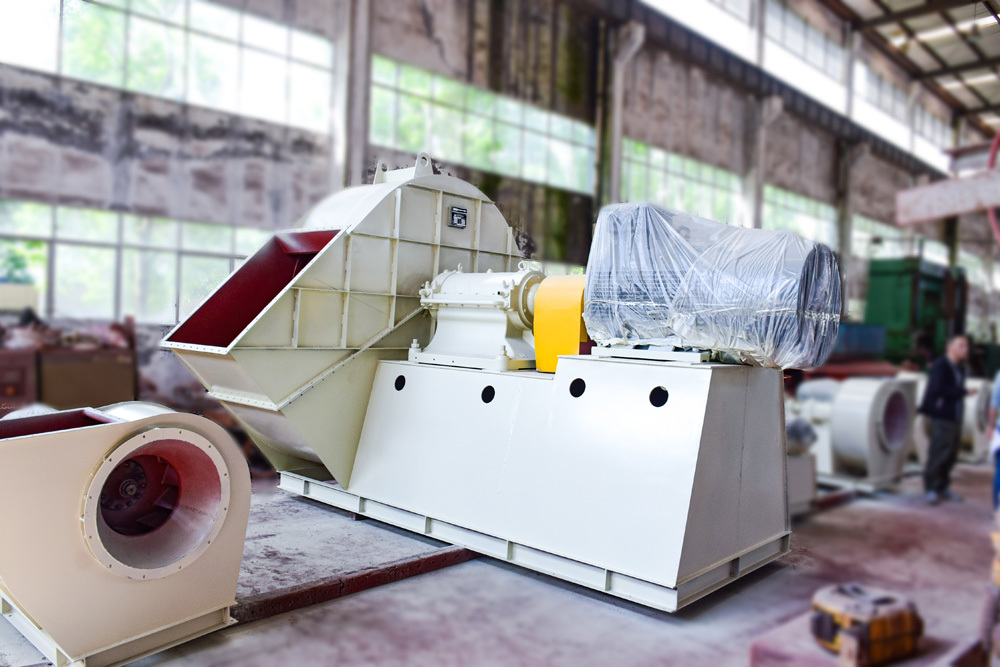
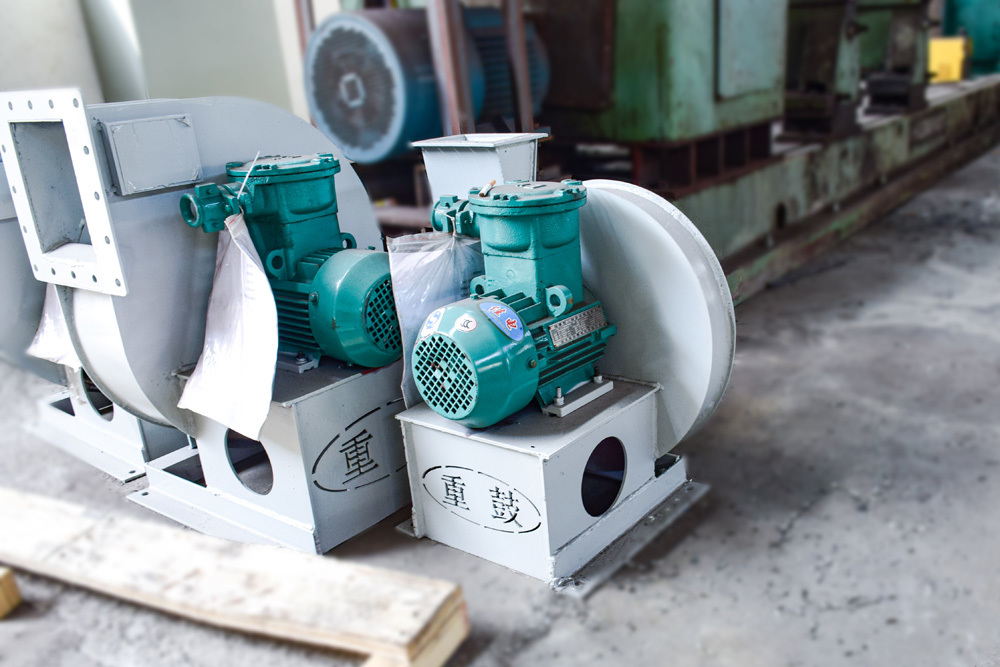
The main components of corrosion‑resistant fans are either treated with anti‑corrosion coatings or manufactured from corrosion‑resistant materials, and such fans are collectively referred to as corrosion‑resistant fans. These fans are widely used for ventilation, dust removal, and odor extraction in factories, mines, electroplating facilities, chemical plants, etching operations, and other similar environments.
The main components of corrosion‑resistant fans are either treated with anti‑corrosion coatings or manufactured from corrosion‑resistant materials; such fans are collectively referred to as corrosion‑resistant fans. These fans are widely used in factories, mines, electroplating facilities, chemical plants, etching operations, and other settings for ventilation, dust removal, and the extraction of odors.
Corrosion‑resistant fan: It exhibits superior corrosion resistance compared to fans made from other materials and can be used in highly corrosive, specialized environments.
When a centrifugal corrosion‑resistant fan is operating, the motor drives the impeller to rotate within the volute casing. Air is drawn into the impeller from the inlet at its center. Due to the dynamic action of the blades on the gas, both pressure and velocity increase; under the influence of centrifugal force, the air is flung along the flow passages toward the casing and discharged through the outlet.
Centrifugal corrosion‑resistant fans consist primarily of an impeller and a casing. In small fans, the impeller is mounted directly on the motor; in medium‑ and large‑size centrifugal corrosion‑resistant fans, the impeller is connected to the motor via a coupling or a pulley. Typically, these fans are single‑suction, employing a single‑stage impeller; for higher flow rates, they may be double‑suction, using two back‑to‑back impellers—such units are also known as double‑suction centrifugal corrosion‑resistant fans.
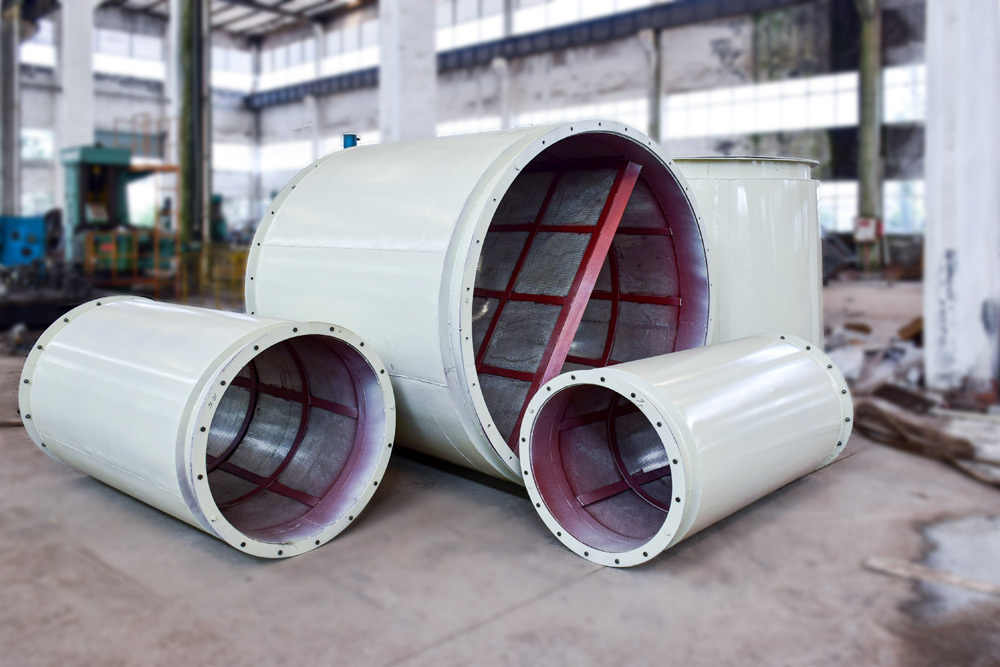
When an axial‑flow corrosion‑resistant fan is operating, the motor drives the impeller to rotate within a cylindrical housing. Gas enters through the inlet collector, gains energy as it passes through the impeller—resulting in increased pressure and velocity—and is then discharged axially. Axial fans can be configured in three arrangements: vertical, horizontal, and inclined. The impeller diameter ranges from approximately 100 mm for small units to over 20 meters for large ones.
Small low-pressure axial‑flow corrosion‑resistant fans consist of components such as the impeller, casing, and inlet collector, and are typically mounted on building walls. Large high-pressure axial‑flow corrosion‑resistant fans comprise an inlet collector, impeller, streamlined body, casing, diffuser, and drive assembly. The blades are evenly distributed around the hub, with a typical number ranging from 2 to 24. A greater number of blades results in higher static pressure; the blade installation angle is generally between 10° and 45°—the larger the angle, the greater both the airflow rate and the pressure.
Trends in the Development of Anti-Corrosion Fans
① Further enhance the aerodynamic efficiency, installation efficiency, and operational efficiency of anti-corrosion fans to reduce electrical energy consumption.
② Replace the large centrifugal corrosion‑resistant fan with an axial‑flow corrosion‑resistant fan featuring adjustable blades.
③ Reduce the noise of the anti-corrosion fan;
④ Enhance the wear resistance of the impellers and casings of smoke-exhaust and dust-removal fans;
⑤ Achieve variable-speed control and automated regulation.
Key words:- 防腐风机
Leave a message for inquiry
Thank you for visiting. If you have any other questions, please leave us a message, and we’ll get back to you as soon as possible!
Chongqing Zhonggu Blower Co., Ltd.
National Service Hotline:
023-67657723/023-67657724
023-45267099/023-45262099
Business Phone:
023-67657723/023-67666438/023-67662725
Technical Department:023-67662824
Finance Department:023-67666428
Fax:023-67662824/023-45268099
Email:cqgfjc@cqgfjc.com
Address: Floors 1–4, Building 1, No. 1 Yudai Mountain, Liangjiang New Area, Chongqing City
Production Address: No. 66, Industrial Avenue, Tongliang District, Chongqing City
Scan to browse the mobile website
Online Customer Service