Chongqing Zhonggu Blower Co., Ltd. welcomes you!



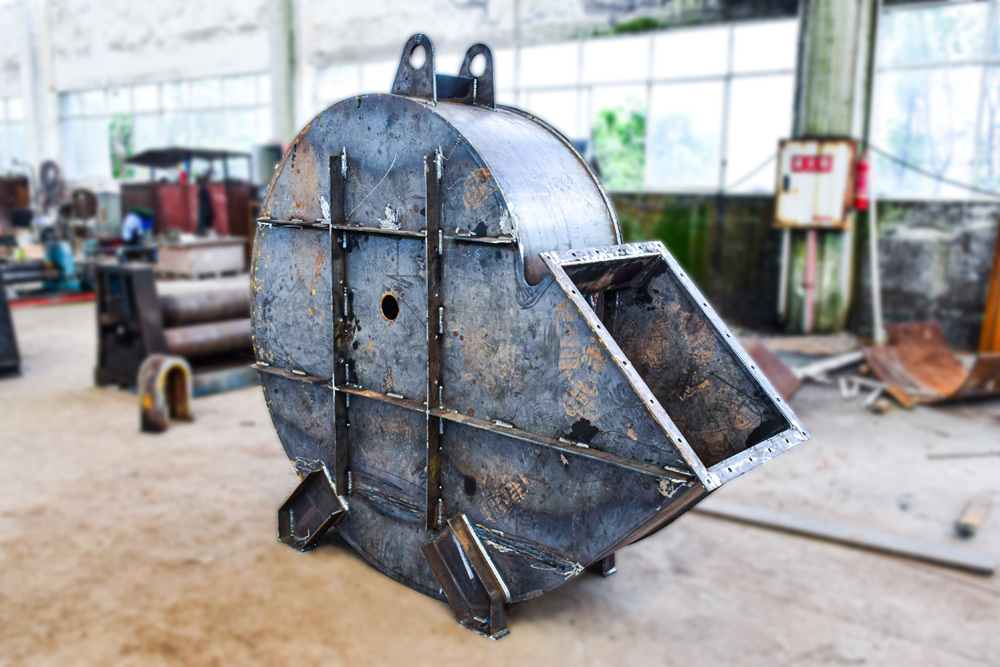
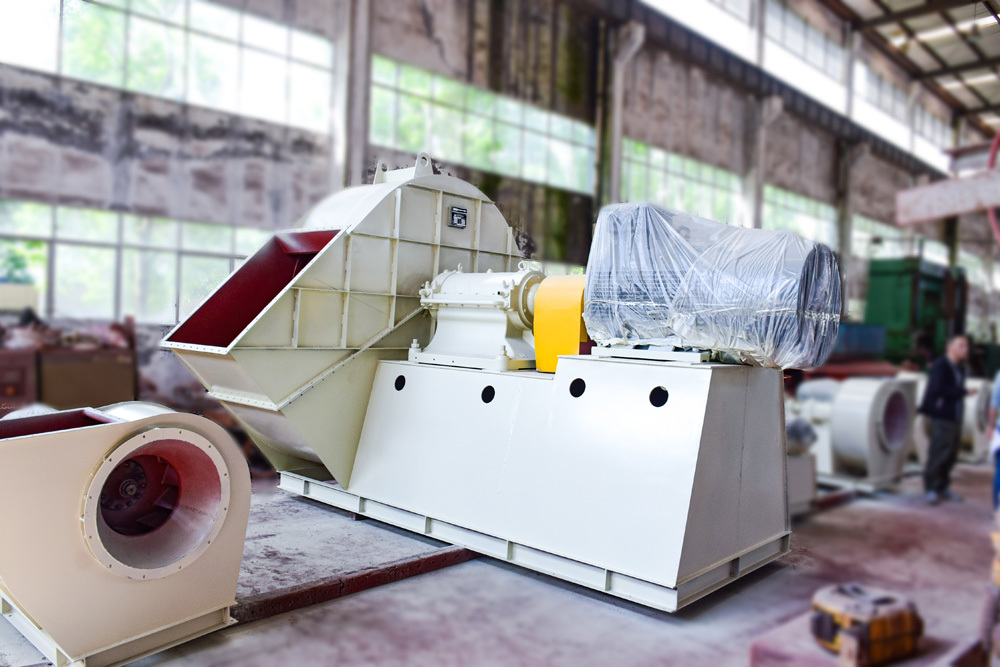
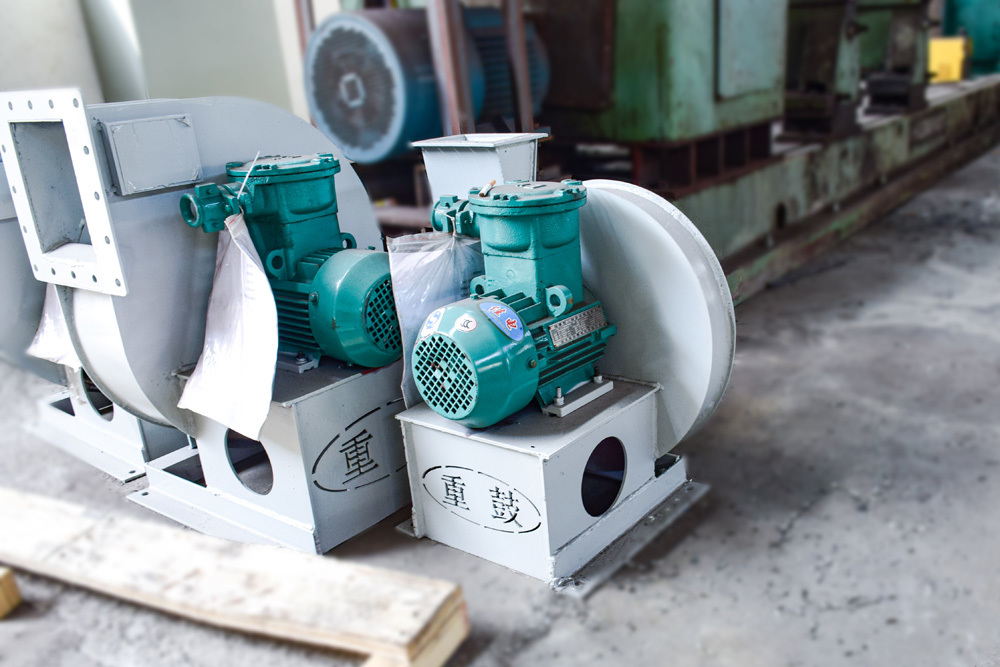
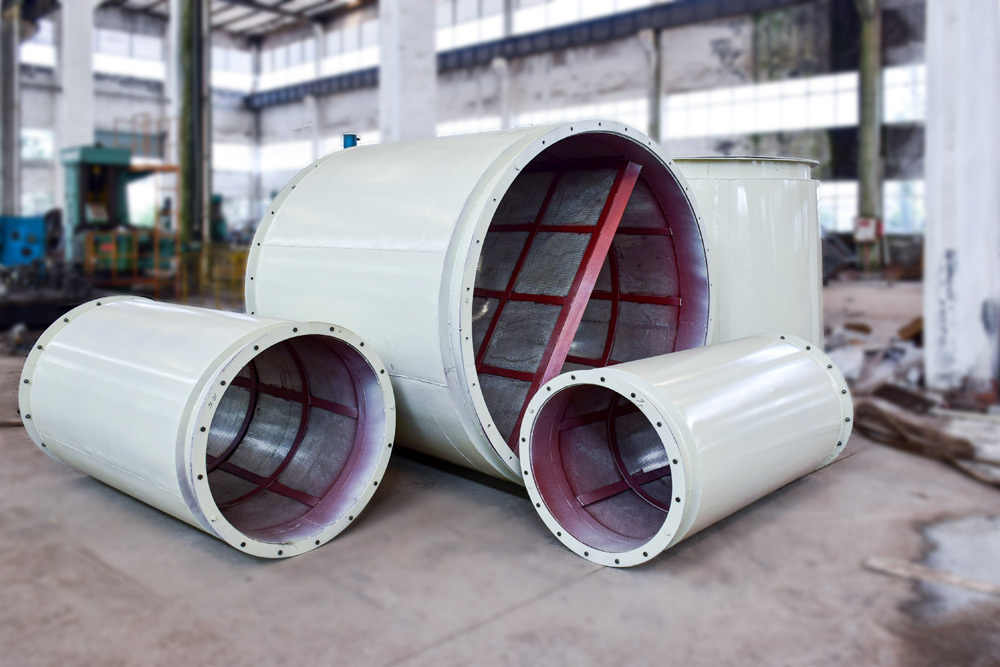
Fan Manufacturing: Duct-Type GDF Duct Fan
Keywords:
Category:
Civilian General-Purpose Fan
- Product Description
-
- Commodity name: Fan Manufacturing: Duct-Type GDF Duct Fan
- Commodity ID: 1011550841321906176
Fan manufacturer: A fan is a machine that uses input mechanical energy to increase gas pressure and convey gas; it is a type of driven fluid machinery. Fans are widely used for ventilation, dust removal, and cooling in factories, mines, tunnels, cooling towers, vehicles, ships, and buildings; for ventilation and draft in boilers and industrial furnaces; for cooling and ventilation in air-conditioning equipment and household appliances; for drying and conveying grains; and for providing wind sources in wind tunnels as well as for inflating and propelling hovercrafts.
Fan manufacturer: A fan is a machine that uses mechanical energy to increase gas pressure and convey gas; it is a type of driven fluid‑handling machinery. Fans are widely used for ventilation, dust removal, and cooling in factories, mines, tunnels, cooling towers, vehicles, ships, and buildings; for ventilation and draft in boilers and industrial furnaces; for cooling and ventilation in air‑conditioning equipment and household appliances; for drying and conveying grain; and for providing wind sources in wind tunnels as well as for inflating and propelling hovercrafts.
Fan manufacturer: The operating principle of a fan is essentially the same as that of a turbocompressor; however, due to the lower gas velocity and relatively small pressure changes, it is generally not necessary to account for variations in gas specific volume, allowing the gas to be treated as an incompressible fluid.
Wind Turbine Manufacturer: Wind Turbine Classification
Fans can be classified according to the direction of gas flow into centrifugal, axial-flow, mixed-flow, and cross-flow types, among others.
Fans are classified according to the direction of airflow after it enters the impeller into axial-flow fans, centrifugal fans, and mixed-flow (diagonal-flow) fans.
Fans are classified according to their application into jet-type local fans (hereinafter referred to as jet fans) and exhaust-type local fans, in which the explosion-proof motor is either located outside the airflow passage or inside it; in the latter case, the explosion-proof motor is housed in an explosion-proof sealed enclosure (hereinafter referred to as exhaust fans).
Fan manufacturer: Fan performance parameters
The main performance parameters of a fan include flow rate, pressure, power, efficiency, and rotational speed. In addition, noise and vibration levels are also key design criteria.
Airflow, also known as volumetric flow rate, is expressed as the volume of gas that passes through the fan per unit of time.
Pressure, also known as wind pressure, refers to the increase in pressure of a gas within a fan and is categorized into static pressure, dynamic pressure, and total pressure.
Power refers to the fan’s input power, also known as shaft power. The ratio of a fan’s effective power to its shaft power is called efficiency. A fan’s total-pressure efficiency can reach 90%.
Wind Turbine Manufacturer: The Future of Wind Turbines
The development of fans will further enhance their aerodynamic efficiency, installation efficiency, and operational efficiency, thereby reducing electricity consumption; variable‑pitch axial fans will replace large centrifugal fans; fan noise will be reduced; the wear resistance of impellers and casings for smoke‑exhaust and dust‑removal fans will be improved; and variable‑speed and automated control will be implemented.
Key words:- 风机制造
Leave a message for inquiry
Thank you for visiting. If you have any other questions, please leave us a message, and we’ll get back to you as soon as possible!
Chongqing Zhonggu Blower Co., Ltd.
National Service Hotline:
023-67657723/023-67657724
023-45267099/023-45262099
Business Phone:
023-67657723/023-67666438/023-67662725
Technical Department:023-67662824
Finance Department:023-67666428
Fax:023-67662824/023-45268099
Email:cqgfjc@cqgfjc.com
Address: Floors 1–4, Building 1, No. 1 Yudai Mountain, Liangjiang New Area, Chongqing City
Production Address: No. 66, Industrial Avenue, Tongliang District, Chongqing City
Scan to browse the mobile website
Online Customer Service