Chongqing Zhonggu Blower Co., Ltd. welcomes you!



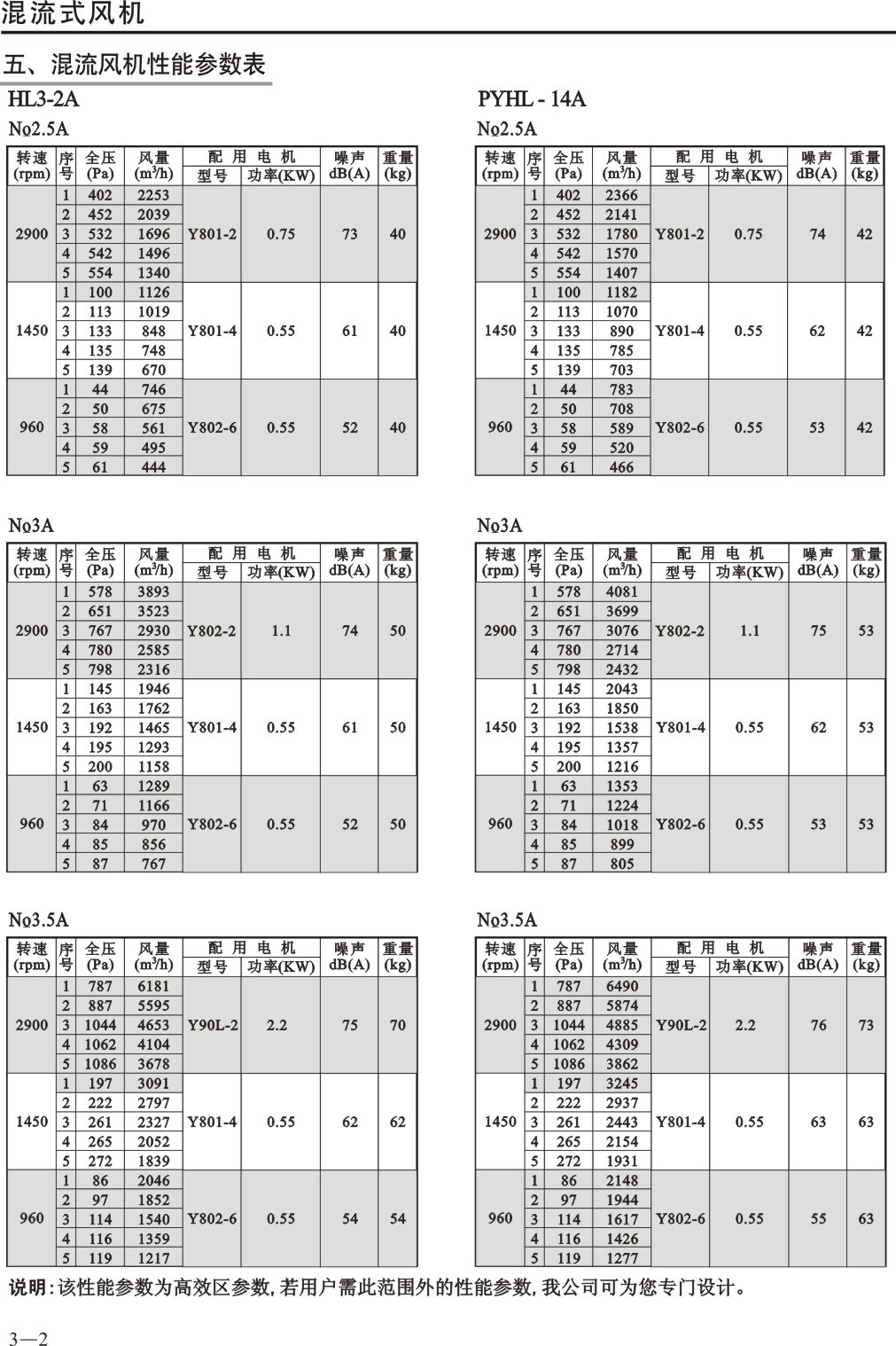
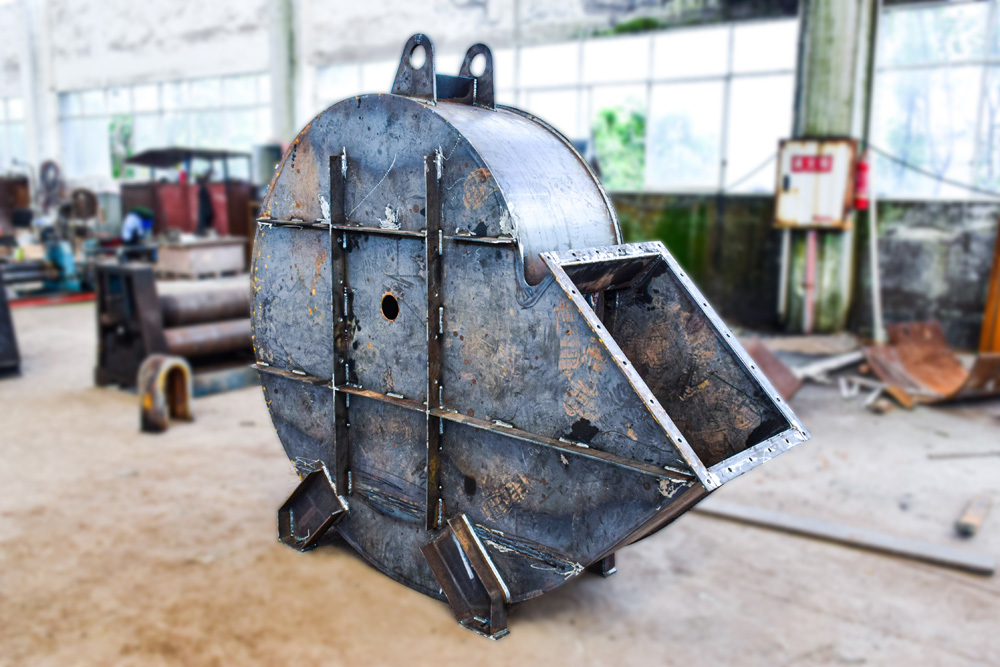
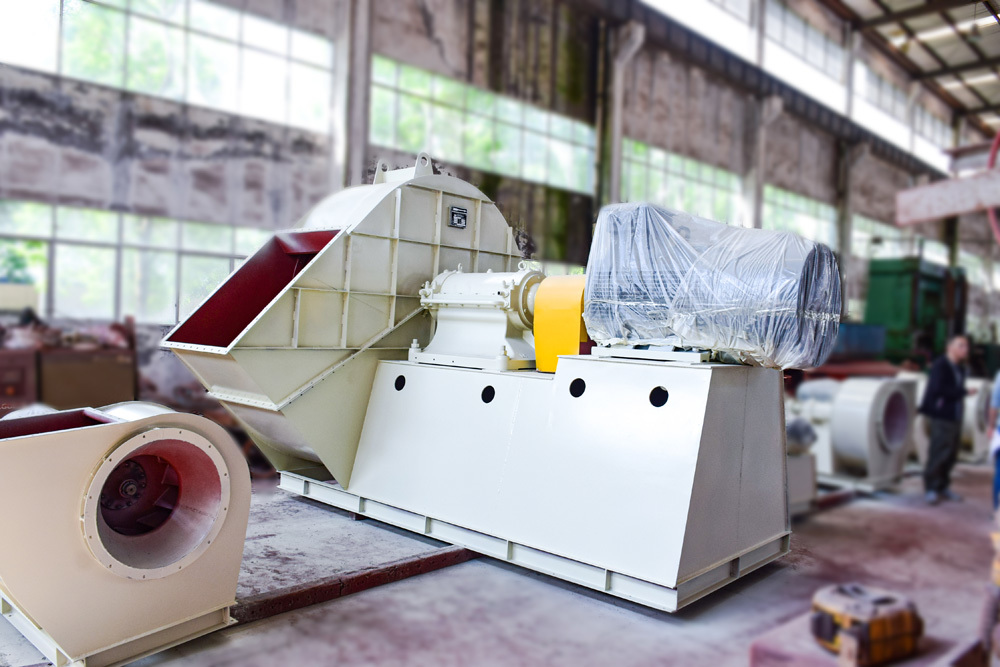
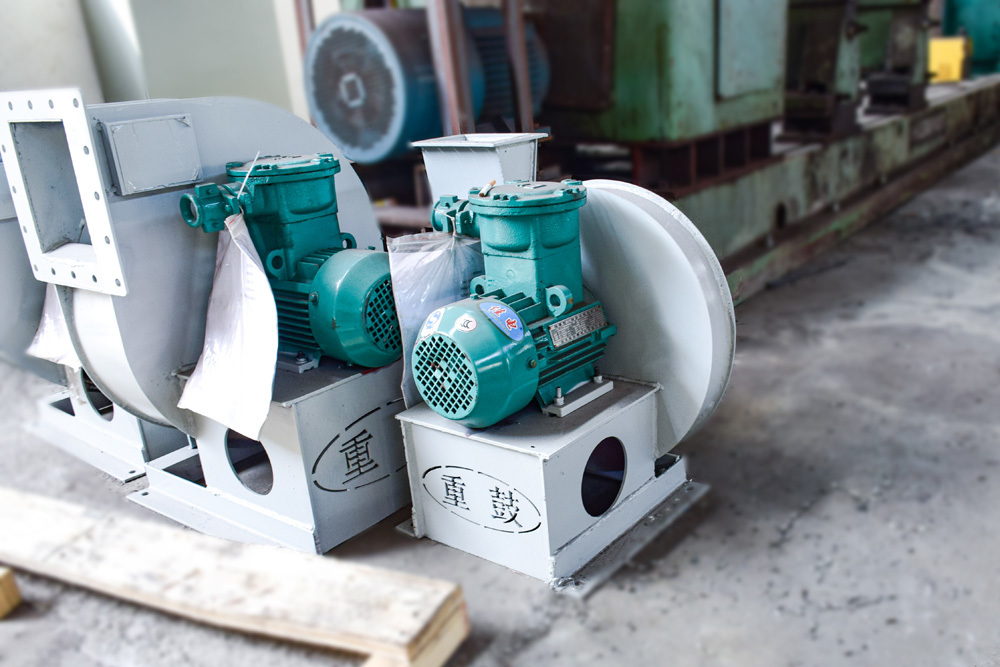
High-Efficiency, Energy-Saving Fan: HLF-6 Low-Noise Mixed-Flow Fan Unit
Keywords:
Category:
Civilian General-Purpose Fan
- Product Description
-
- Commodity name: High-Efficiency, Energy-Saving Fan: HLF-6 Low-Noise Mixed-Flow Fan Unit
- Commodity ID: 1011550893595516928
High-efficiency, energy-saving fans involve retrofitting the fan with variable-frequency drive (VFD) control. After such modifications, the fan can achieve a certain level of energy savings, typically ranging from 20% to 50%.
High-efficiency, energy-saving fans involve retrofitting the fan with variable-frequency drive (VFD) control. After such modifications, the fan can achieve a certain level of energy savings, typically ranging from 20% to 50%.
Current Status of High-Efficiency, Energy-Saving Fans
In China, motors paired with fans account for approximately 60% of the nation’s total installed motor capacity across all industries and sectors, and their electricity consumption represents roughly one-third of the country’s total power generation. Notably, most fan systems operate under conditions where an oversized motor drives a load far below its rated capacity. Moreover, due to changes in production processes and operational requirements, it is often necessary to frequently adjust gas flow, pressure, and temperature. Yet many organizations still rely on outdated methods—such as manually adjusting damper openings or valve degrees—to regulate these parameters. In essence, this approach increases system resistance artificially, sacrificing both energy and financial resources to meet process‑specific flow‑control demands. Such archaic control strategies not only squander valuable energy but also deliver poor regulation accuracy, making it difficult to satisfy the stringent requirements of modern industrial production and service applications, with profoundly adverse consequences.
Energy-saving methods for high-efficiency, energy-saving fans
The advent of variable-frequency drives has revolutionized AC speed control. Over the past decade or so, as VFD technology has continued to mature and evolve, its performance has become increasingly comprehensive, leading to widespread adoption across diverse applications. This has delivered substantial economic benefits to enterprises and accelerated the automation of industrial production. When applied to AC induction motors, VFD‑based speed control outperforms all previous AC and DC speed‑control methods. Moreover, it features a simple structure, a wide speed‑regulation range, high precision, ease of installation, commissioning, and operation, robust protection functions, stable and reliable operation, and significant energy‑saving advantages—making it the latest trend in AC motor speed control.
High-efficiency, energy-saving fans use variable-frequency drives to regulate fan operation, representing an energy-saving approach that reduces aerodynamic losses. Compared with the conventional method of controlling airflow by adjusting damper openings, this approach delivers significantly greater energy savings.
 Key words:
- 高效节能风机
Leave a message for inquiry
Thank you for visiting. If you have any other questions, please leave us a message, and we’ll get back to you as soon as possible!
Chongqing Zhonggu Blower Co., Ltd.
National Service Hotline:
023-67657723/023-67657724
023-45267099/023-45262099
Business Phone:
023-67657723/023-67666438/023-67662725
Technical Department:023-67662824
Finance Department:023-67666428
Fax:023-67662824/023-45268099
Email:cqgfjc@cqgfjc.com
Address: Floors 1–4, Building 1, No. 1 Yudai Mountain, Liangjiang New Area, Chongqing City
Production Address: No. 66, Industrial Avenue, Tongliang District, Chongqing City
Scan to browse the mobile website
Online Customer Service