Chongqing Zhonggu Blower Co., Ltd. welcomes you!



Fan Manufacturing: GDF Duct Fan, Silenced Type
Keywords:
Category:
Civilian General-Purpose Fan
- Product Description
-
- Commodity name: Fan Manufacturing: GDF Duct Fan, Silenced Type
- Commodity ID: 1011550822640476160
Fan manufacturer: A fan is a machine that uses mechanical energy to increase gas pressure and convey gas; it is a type of driven fluid machinery. In China, “fan” is the conventional abbreviation for gas‑compression and gas‑transportation machinery. The term “fan” as commonly used encompasses ventilators, blowers, and wind turbines.
Fan manufacturer: A fan is a machine that uses mechanical energy to increase gas pressure and convey gas; it is a type of driven fluid machinery. In China, “fan” is the conventional abbreviation for gas‑compression and gas‑transportation machinery. The term “fan” typically encompasses ventilators, blowers, and wind turbines.
Fan manufacturers: Fans are widely used for ventilation, dust removal, and cooling in factories, mines, tunnels, cooling towers, vehicles, ships, and buildings; for ventilation and draft induction in boilers and industrial furnaces; for cooling and ventilation in air-conditioning equipment and household appliances; for grain drying and conveying; and for providing airflow in wind tunnels and inflating and propelling hovercrafts, among other applications.
Fan manufacturer: Gas compression and gas‑transport machinery is equipment that converts rotational mechanical energy into gas pressure energy and kinetic energy, thereby conveying gas.
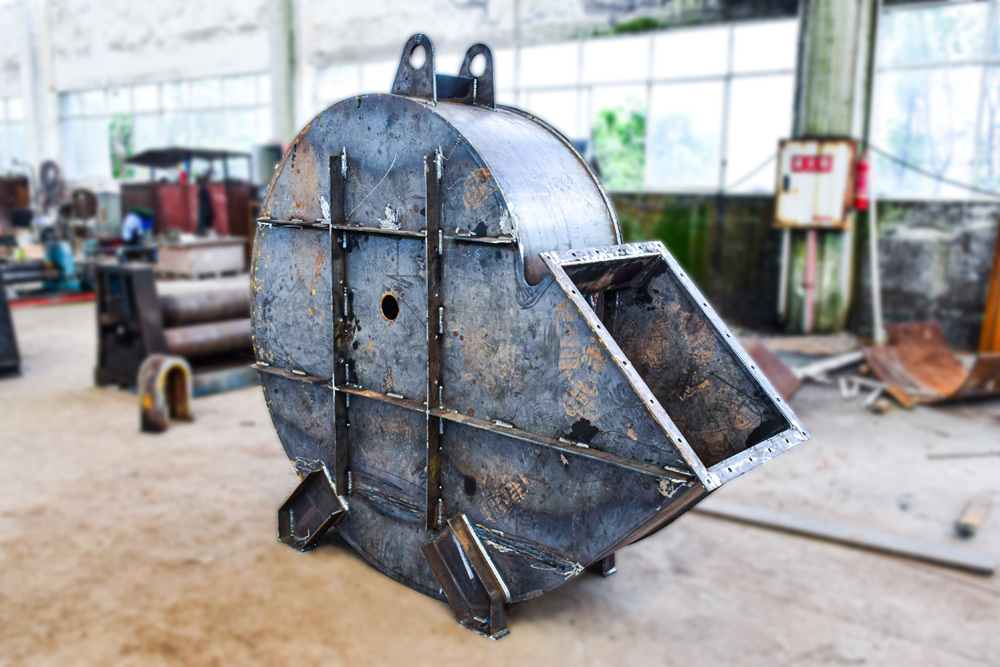
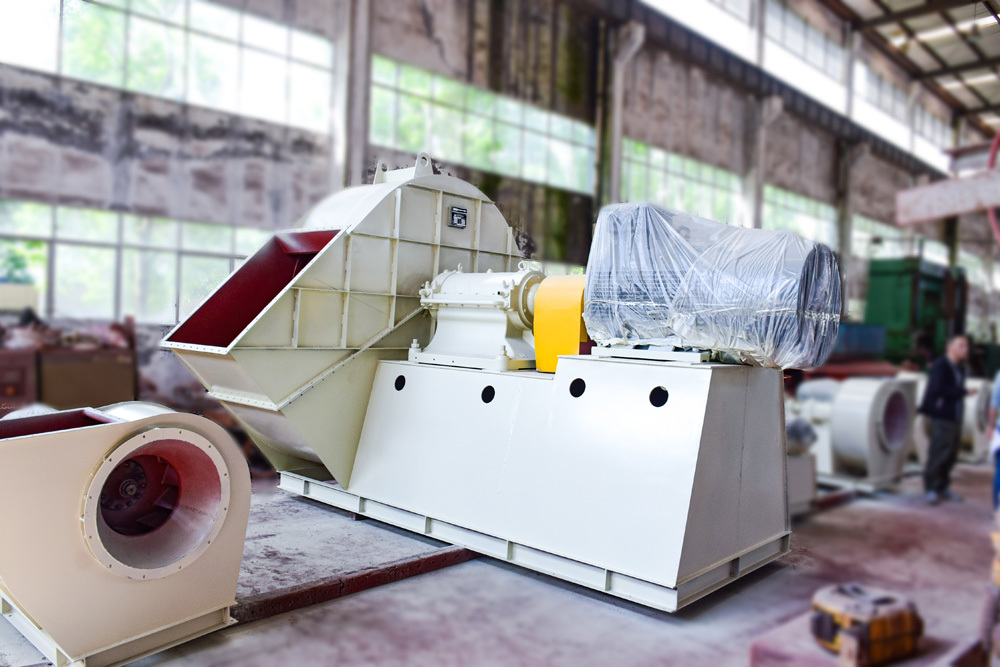
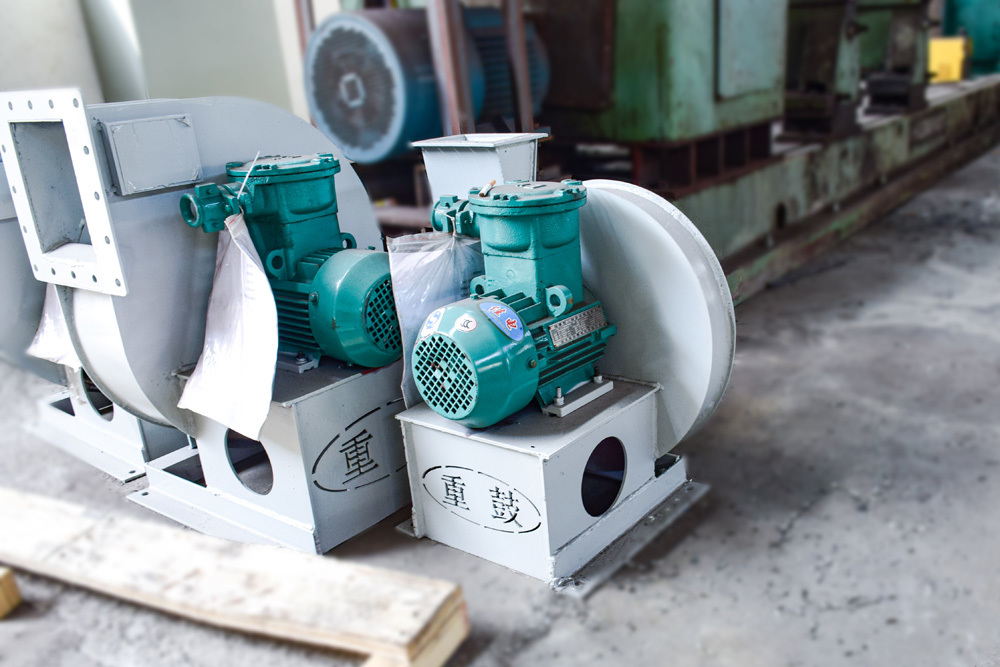
Fan manufacturer: The main structural components of a fan include the impeller, casing, air inlet, support frame, motor, pulleys, coupling, silencer, and transmission parts (bearings), among others.
A passive ventilator harnesses natural wind and the air temperature difference between indoors and outdoors to create thermal convection, driving a turbine to rotate. This rotation generates centrifugal force and negative pressure, thereby exhausting stale, warm indoor air. [2]
Fans significantly impact the energy consumption of a system’s distribution and delivery processes, making them a critical component of building energy efficiency. According to years of fan testing conducted by the National Center for Quality Supervision and Inspection of Air-Conditioning Equipment, many fans exhibit performance issues even under their rated operating conditions. Therefore, it is essential to manufacture and produce fans in strict compliance with applicable product standards.
When the fan first starts up, vibration at the bearing location is minimal. However, as operating time increases, dust inside the fan adheres unevenly to the impeller, gradually disrupting the fan’s dynamic balance and causing bearing vibration to grow progressively. Once vibration reaches the fan’s maximum allowable value of 11 mm/s (the maximum permissible amplitude is specified below), the fan must be shut down for maintenance—removing accumulated dust and re‑balancing the rotor. At this point, the situation is extremely hazardous, and users must never attempt to continue operation. When fan vibration approaches the danger threshold, vibration monitoring instruments will trigger an alarm.
Key words:- 风机生产
Leave a message for inquiry
Thank you for visiting. If you have any other questions, please leave us a message, and we’ll get back to you as soon as possible!
Chongqing Zhonggu Blower Co., Ltd.
National Service Hotline:
023-67657723/023-67657724
023-45267099/023-45262099
Business Phone:
023-67657723/023-67666438/023-67662725
Technical Department:023-67662824
Finance Department:023-67666428
Fax:023-67662824/023-45268099
Email:cqgfjc@cqgfjc.com
Address: Floors 1–4, Building 1, No. 1 Yudai Mountain, Liangjiang New Area, Chongqing City
Production Address: No. 66, Industrial Avenue, Tongliang District, Chongqing City
Scan to browse the mobile website
Online Customer Service